
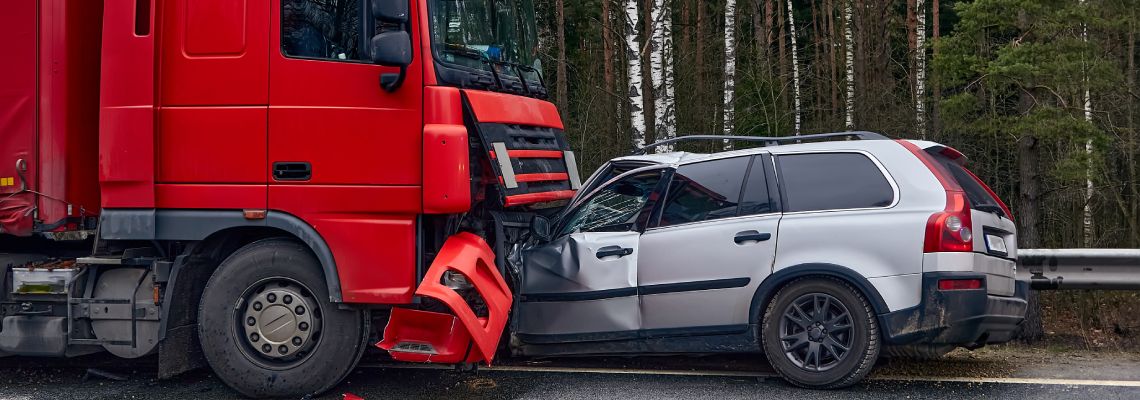
The Role of Federal Safety Regulations in Liability for Truck Accidents
Being involved in a serious collision can leave you feeling shaken and uncertain. When large commercial vehicles are involved, the situation often feels even more intimidating due to the size of the vehicles and the potential for severe damage. You might find yourself asking how the accident happened, who’s responsible, and what steps you can take to protect yourself moving forward.
These questions become even more important when federal safety standards come into play. Regulations exist to help prevent dangerous situations on the road, but when they aren’t followed, the consequences can be significant. Knowing how these rules affect liability can give you a clearer sense of where you stand after a crash involving commercial vehicles.
At Jay Lauer Attorney at Law, I work with individuals facing these situations and help them evaluate how federal rules apply to their case and what that means for their next steps. From my office in South Bend, Indiana, I serve clients in Granger, Mishawaka, and throughout Northern Indiana. If you’re dealing with the aftermath of a truck accident and want to better understand how these regulations affect your situation, reach out to me today to get started.
Federal Safety Standards That Apply to Commercial Drivers
Federal regulations are designed to promote safer road conditions and reduce risks associated with large commercial vehicles. These rules apply to drivers, trucking companies, and vehicle maintenance, creating a structured system that sets expectations for safety practices.
When truck accidents occur, these regulations often play a central role in determining what went wrong. Violations of federal standards can point to negligence and influence how liability is assigned in a claim.
Some key federal safety standards include:
Hours-of-service limits: Drivers must follow strict rules on how long they can operate a vehicle without rest.
Vehicle maintenance requirements: Trucks must be inspected and maintained regularly to stay in a safe operating condition.
Driver qualification rules: Drivers must meet specific training and licensing standards before operating commercial vehicles.
Cargo securement guidelines: Loads must be properly secured to prevent shifting or falling during transport.
These regulations create a foundation for safety on the road. When they’re followed, they reduce the likelihood of accidents. When they’re ignored, they often become a key factor in determining responsibility.
How Violations Influence Liability in Accident Claims
When an accident occurs, one of the first steps is identifying whether any rules were broken. Federal safety violations can serve as evidence that a driver or company failed to meet required standards. This can play a significant role in how liability is evaluated.
In truck accidents, liability isn’t always limited to the driver. Trucking companies, maintenance providers, and even third parties can be involved depending on the circumstances. This makes reviewing compliance with federal regulations an important part of building a claim.
An experienced personal injury lawyer can help examine these details and connect violations to the events that led to the accident. This process helps create a clearer picture of responsibility and supports a stronger claim.
Parties That Can Be Held Responsible
One of the most important aspects of these cases is identifying all potentially responsible parties. Unlike typical vehicle collisions, commercial trucking incidents often involve multiple layers of responsibility.
Several parties can be held accountable in truck accidents:
Truck drivers: Responsible for following driving regulations and operating the vehicle safely.
Trucking companies: Required to enforce safety standards, maintain vehicles, and manage driver schedules.
Maintenance providers: Accountable for keeping vehicles in proper working condition.
Cargo loaders: Responsible for securing loads according to federal guidelines.
Each of these parties has a role in maintaining safety. When one or more fail to meet their responsibilities, it can increase the likelihood of an accident and affect how liability is assigned.
How Evidence Supports Claims Involving Federal Regulations
Building a claim after a collision often depends on gathering and reviewing detailed evidence. Federal safety regulations require documentation that can provide valuable insight into what happened before the accident.
Important types of evidence include:
Driver logs: Records showing hours worked and rest periods.
Inspection reports: Documentation of vehicle condition and maintenance history.
Training records: Proof of driver qualifications and certifications.
Electronic data: Information from onboard systems that track speed and performance.
Reviewing this evidence takes careful attention to detail. An experienced lawyer can help identify relevant records and explain how they impact your case. This process can make a meaningful difference in how liability is determined.
Why Federal Regulations Matter in Truck Accident Cases
Federal safety regulations do more than set standards—they provide a way to evaluate behavior and accountability. When accidents happen, these rules help determine whether proper care was taken or if negligence played a role.
For individuals involved in truck accidents, these regulations can offer a path toward understanding what happened and why. They also provide a structure for identifying responsibility and supporting claims for damages.
When you take action based on this information, you’re not just responding to what happened—you’re working toward protecting your rights and moving forward with clarity.
Moving Forward After Truck Accidents With Legal Support
After a serious collision, it’s natural to feel uncertain about what comes next. Federal safety regulations provide an important foundation for determining responsibility, but applying those rules to your situation requires careful review and attention to detail.
I work with clients to examine the facts of their case, identify potential violations, and build a clear path forward. Truck accidents can involve multiple factors, and having a structured approach can help you better understand your options.
At Jay Lauer Attorney at Law, I serve clients in Granger, Mishawaka, and throughout Northern Indiana from my office in South Bend, Indiana. If you’re ready to take the next step and want guidance after an accident, reach out to me today.